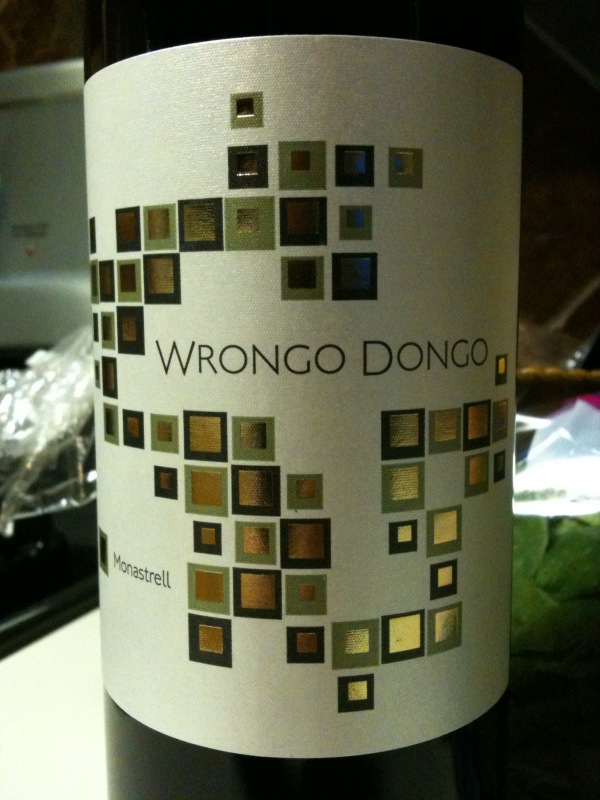
 I intended to avoid Spain for this week’s Mourvèdre Monday. Three of the first 5 installments have been Spanish Monastrells and I wanted more variety. I had my sights set on opening either a Bandol or an Aussie bottle in my cellar. But I’ve been sick since last Monday and I’m just getting back to relative normalcy. I decided to open the cheapest bottle of Mourvèdre I have on hand, in case my palate wasn’t quite ready (it was fine). I know very little about this bottle other than it’s from the same producer as the Juan Gil 2007 I liked quite a bit. Oh, and it cost me less than six bucks so what did I have to lose? Next week I’ll do my best to bring something serious to the party.
Producer: Bodegas Juan Gil
Grapes: 100% Monastrell
Appellation: Jumilla (DO, Spain)
Vineyards: no info
Vintage: 2008
Winemaking: no info
Alcohol: 15%
Price: I paid $5.71 at Spec’s in Austin.
My tasting notes: On the nose it kind of pings around from Robitussin to earth & black pepper to blueberry-scented magic marker. On the palate it’s smooth-textured with dried cherry and blackberry fruit, a mineral component that makes me think of a wharf and a bit of a chocolate note at the end. Like many of the other reviews linked below, I get the black tea astringency. It’s kinda of like an unsweetened blackberry-flavored tea.
Overall impression: I don’t know that I’m really digging this one. If you’re looking for super-cheap bottles that aren’t bad, give this one a try. But for me, I’d rather drink something else. C
Free association:
More info:
88 points Jay Miller for Robert Parker’s Wine Advocate.
Other reviews at Palate Match, Fermented Reviews, The Small Wine Review, CellarTracker (avg. 81 pts) and Cork’d.
Anybody know the story behind the name? If so, please share.


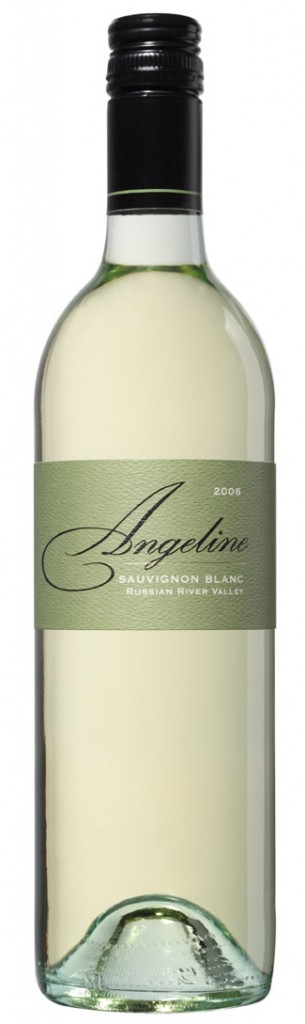 Angeline is an interesting 2nd label from the Martin Ray Winery. The bottles/labels are attractive. The wines are well-priced. They come from more specific and respected appellations (Russian River Valley, Alexander Valley, Sonoma) than many wines in the same price range, which are often just California or Central Coast. Let’s check out the Sauvignon Blanc.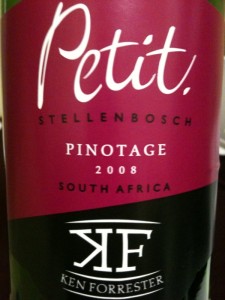
.-(cc_nonderived)%26hl%3Den%26safe%3Doff%26client%3Dsafari%26rls%3Den%26sa%3DG%26um%3D1&ei=Js4JS5u-LZOXtgesoJSTCA "cabrales")

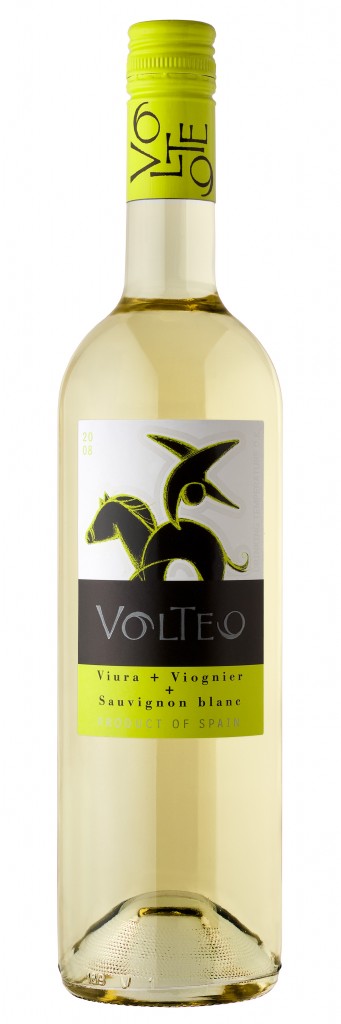 I typically look for wines with specificity: a single grape variety, a single vineyard, etc. I like to think I can learn more that way and that I’m getting a truer essence of something or other. But I’m also a sucker for interesting blends. I imagine the best qualities of each grape marrying together into a delicious whole. I’m especially a sucker for Viognier in the blend, as I assume it will add that I-could-sniff-this-all-night floral quality to the nose. So that’s how I ended up picking this bottle up on a recent trip to the wine shop.
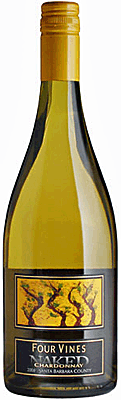 I originally intended this to be a 2 bottle series — just pick up two readily available unoaked Chardonnay’s and do a little compare and contrast. I was a bit disappointed with both bottles so I decided to extend the series. I stopped by Whole Foods (the flagship location at Austin HQ) and grabbed two more.
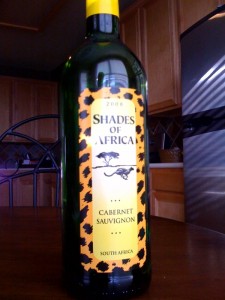 I can’t really find anything about this wine online (and the label is no help either), so I won’t be doing a full post on this one. It’s a very young cab from South Africa — that’s all I know.